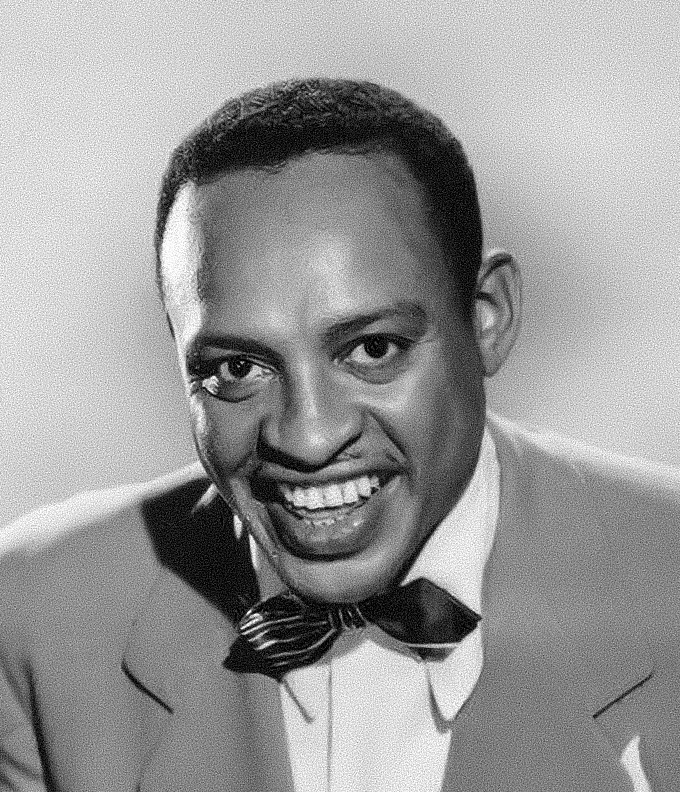
An exploration of Lionel Hampton's groundbreaking career, from inventing the jazz vibraphone's voice in 1930 to his decades-long influence on American music and civil rights.
This episode examines Lionel Hampton (1908-2002), who transformed the vibraphone from a studio novelty into a lead jazz instrument. Beginning with his 1930 recording with Louis Armstrong—the first jazz vibraphone solo ever—the hosts trace Hampton's journey from Chicago drumming lessons with a Dominican nun to joining Benny Goodman's groundbreaking integrated quartet in 1936. The episode highlights his 1942 recording of 'Flying Home' featuring Illinois Jacquet's revolutionary tenor saxophone solo that helped birth R&B and rock and roll. Beyond music, Hampton's legacy includes breaking racial barriers, building low-income housing projects, and running what became known as a 'traveling academy' that trained legends like Quincy Jones, Dinah Washington, and Clifford Brown.